Drawing Classes for Kids: Online or In Person?
When a child starts enjoying drawing, families often begin looking for a class that can help them practise regularly and learn new techniques. The next question is usually practical: should you choose online drawing classes, look for a nearby in-person batch, or wait until you know more about what your child enjoys?
The right option depends on the learner, the teacher’s approach, the schedule and what is currently available. Use this guide to compare the essentials before making an enquiry.
What should a good drawing class help a child learn?
A useful class should give a learner more than a picture to copy. Depending on their level, the learning path may include:
- Observing objects and noticing shapes, edges and proportions.
- Using lines and simple forms to build a drawing.
- Exploring light, shadow, texture and colour.
- Trying different materials and learning how to use them.
- Developing original ideas and explaining creative choices.
Ask the teacher how the programme progresses from one skill to the next. A syllabus can provide direction while still leaving room for experimentation and personal expression.
Online drawing classes: what to check
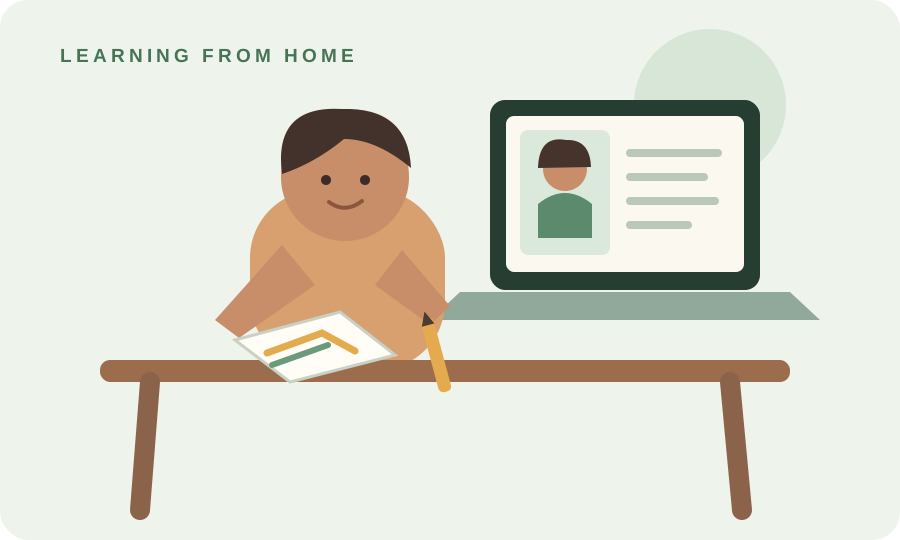
Online classes can make it easier to connect with a teacher when travel is difficult or a suitable local option is not available. Before joining, ask:
- Will the teacher be able to see the child’s drawing clearly during the session?
- How does the teacher demonstrate a technique and give individual feedback?
- Which materials should be ready before class?
- Does the child have a suitable workspace and a device with a stable connection?
- How are questions, practice and progress handled between sessions?
For younger learners, consider whether an adult will need to help set up the device or materials. The format should make it possible for the child to participate, not just watch.
In-person drawing classes: what to check
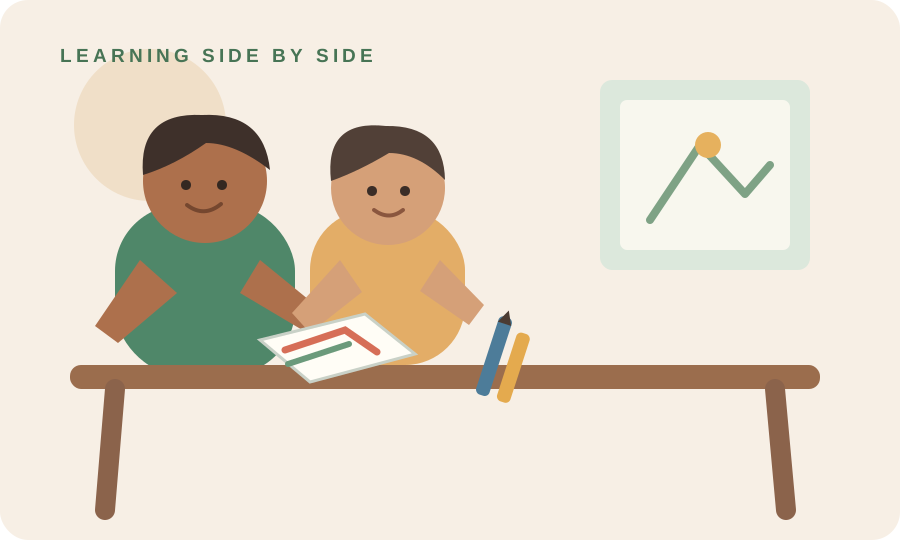
In-person learning may make live demonstrations and hands-on guidance easier. Consider the travel time, class timing, group size, materials and how the teacher supports students who progress at different speeds.
Ask whether the class is suitable for a complete beginner or for a child who already draws regularly. If the batch is shared by learners at different levels, ask how activities and feedback are adapted.
How to compare two drawing classes
Rather than choosing only by location or finished artwork, compare the practical details that affect the learning experience.
- Teacher feedback: Can the child ask questions and get specific guidance?
- Learning progression: Is there a clear next step after the first few sessions?
- Creative freedom: Are children encouraged to make choices and develop their own ideas?
- Practical fit: Do the timing, format, fees and materials fit your family’s routine?
- Progress: Can the child and parent understand what is improving and what to practise next?
For a broader checklist across drawing, music, dance and other creative activities, read our parent’s guide to choosing the right art class.
How to request drawing class options through AVES
AVES helps families request creative-learning options online or in person, depending on current batch and artist availability. To make an enquiry:
- Open the AVES batch finder and choose Drawing or Painting.
- Select your preferred learning format.
- Enter your city or locality and a WhatsApp number so the team can follow up.
Submitting a request does not guarantee a particular time, teacher or location. The AVES team will respond with relevant options based on availability.
Ready to explore? Request drawing class options through AVES →
What if your child is still a beginner?
They do not need to produce polished artwork before starting. Simple observation exercises, basic shapes and short practice sessions can help a child discover what they enjoy. You can also explore our beginner art materials guide to prepare a simple starter kit without buying everything at once.
The best starting class is one that fits your child’s interests, gives them room to practise and makes the next step clear. Compare the available options, ask practical questions and let their creative journey develop at a comfortable pace.