Dance Classes for Kids: What Parents Should Know Before Enrolling
When children dance around the house, copy a favourite move or ask how a performance was put together, a class can give that interest a place to grow. For parents, the challenge is choosing a learning environment that suits the child—not simply picking the most impressive performance video.
Before making an enquiry, compare the dance style, teacher’s approach, class format, practice expectations and practical details. The right questions can help you understand whether a class is a good fit for your family.
Which dance style might suit your child?
Start with what your child enjoys. Some learners are drawn to storytelling and expressive gestures; others enjoy rhythm, energetic choreography or learning movements with a clear sequence. It is fine if their preference changes as they learn.
- Bharatanatyam or Kathak: Classical forms with structured technique, rhythm, expression and cultural context.
- Bollywood or cinematic dance: Choreography influenced by film and popular music, often combining several movement styles.
- Hip-hop or breakdance: Rhythm-led movement, individual style and practice of specific steps and combinations.
- Still exploring: Ask whether a beginner class can help your child discover a style before committing to a longer learning path.
These are starting points, not strict categories. Ask the teacher what the class actually covers, since the syllabus and teaching approach vary between instructors.
What should a good beginner dance class include?
A useful class should teach movement progressively while making the learning environment welcoming and safe. Depending on the style, look for:
- A warm-up and age-appropriate movement preparation.
- Clear demonstrations, time to practise and constructive corrections.
- Attention to posture, coordination, rhythm and control.
- Space to ask questions and learn without being embarrassed by mistakes.
- A realistic explanation of what students may work on over the first few sessions.
Ask how the teacher supports children who are new to dance or who learn at different speeds. A class does not need to promise quick results to provide a meaningful learning experience.
Online or in-person dance classes?
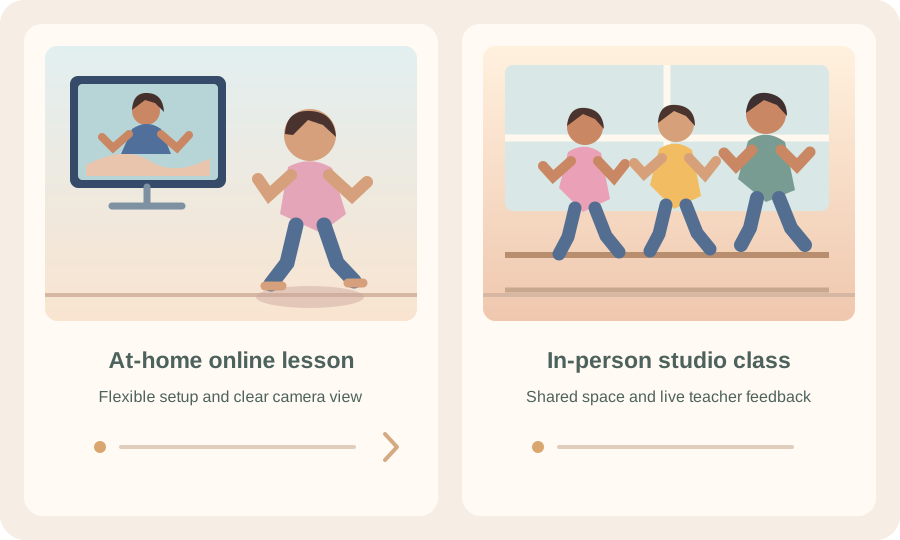
The best format depends on the style, the learner and what is currently offered. In-person lessons can make it easier for a teacher to observe movement from different angles and manage shared space. Online lessons may reduce travel, but the room, camera view and internet connection need to support active participation.
Before choosing, ask:
- Can the teacher see the learner’s full movement clearly?
- Is there enough clear floor space to practise safely?
- How does the teacher give corrections and check understanding?
- What clothing, footwear or other materials are recommended for this style?
- How are practice tasks and questions handled between sessions?
For younger children, consider whether an adult will need to help set up the device or prepare the practice area. Do not assume every dance style or teacher is available in every format; confirm the options for your enquiry.
Questions to ask before enrolling
When comparing classes, ask each provider the same practical questions:
- Experience level: Is the class suitable for a complete beginner, or does it expect prior training?
- Teaching approach: How are steps broken down and corrections explained?
- Class size: How does the teacher make sure learners receive individual attention?
- Progress: What skills might a learner work towards, and how is feedback shared?
- Practice: What small, realistic practice is expected between sessions?
- Practical details: What are the schedule, fees, location, clothing requirements and missed-class policy?
- Comfort and safety: Is the floor suitable for the style, and are warm-ups and rest breaks built into the session?
Ask for the details that matter to your family before paying or buying specialist clothing. A clear answer about the learning process is more useful than a vague promise of fast progress.
How can parents support practice at home?
Keep practice short, positive and appropriate to the child’s stage. A teacher may suggest revisiting a movement, listening for a rhythm or practising a small sequence. Follow that guidance rather than expecting a child to rehearse for long periods without feedback.
Give your child enough room to move, make sure the floor is clear and encourage effort rather than comparing them with classmates or performers online. If a movement causes pain or feels uncomfortable, stop and ask the teacher how to adapt it.
How do you know whether the class is a good fit?
Look for signs that your child feels able to participate, understands what they are practising and can ask for help. Progress may be gradual: remembering a sequence, keeping rhythm more consistently, improving balance or becoming more confident following a demonstration.
It is normal for interests to develop. Check in with your child after a few sessions and ask the teacher what they are learning and what to practise next. The goal is a suitable learning experience, not pressure to perform.
Request dance class options through AVES
AVES helps families enquire about creative-learning options, with matches depending on the activity, preferred format, locality and current availability. To get started:
- Open the AVES batch finder and select Dance.
- Choose the preferred learning format, where available.
- Share your city or locality and a WhatsApp number so the team can follow up.
Submitting a request does not guarantee a particular style, teacher, location, schedule or batch. The team can respond with relevant options based on availability.
Ready to explore? Request dance class options through AVES →
You can also explore the dance learning hub. If you are still comparing creative activities, read our parent’s guide to choosing the right arts class, guide to drawing classes for kids and beginner guitar class guide.
Start with your child’s interests, ask practical questions and choose a class that makes room for curiosity, feedback and steady practice.